

 Contact Us


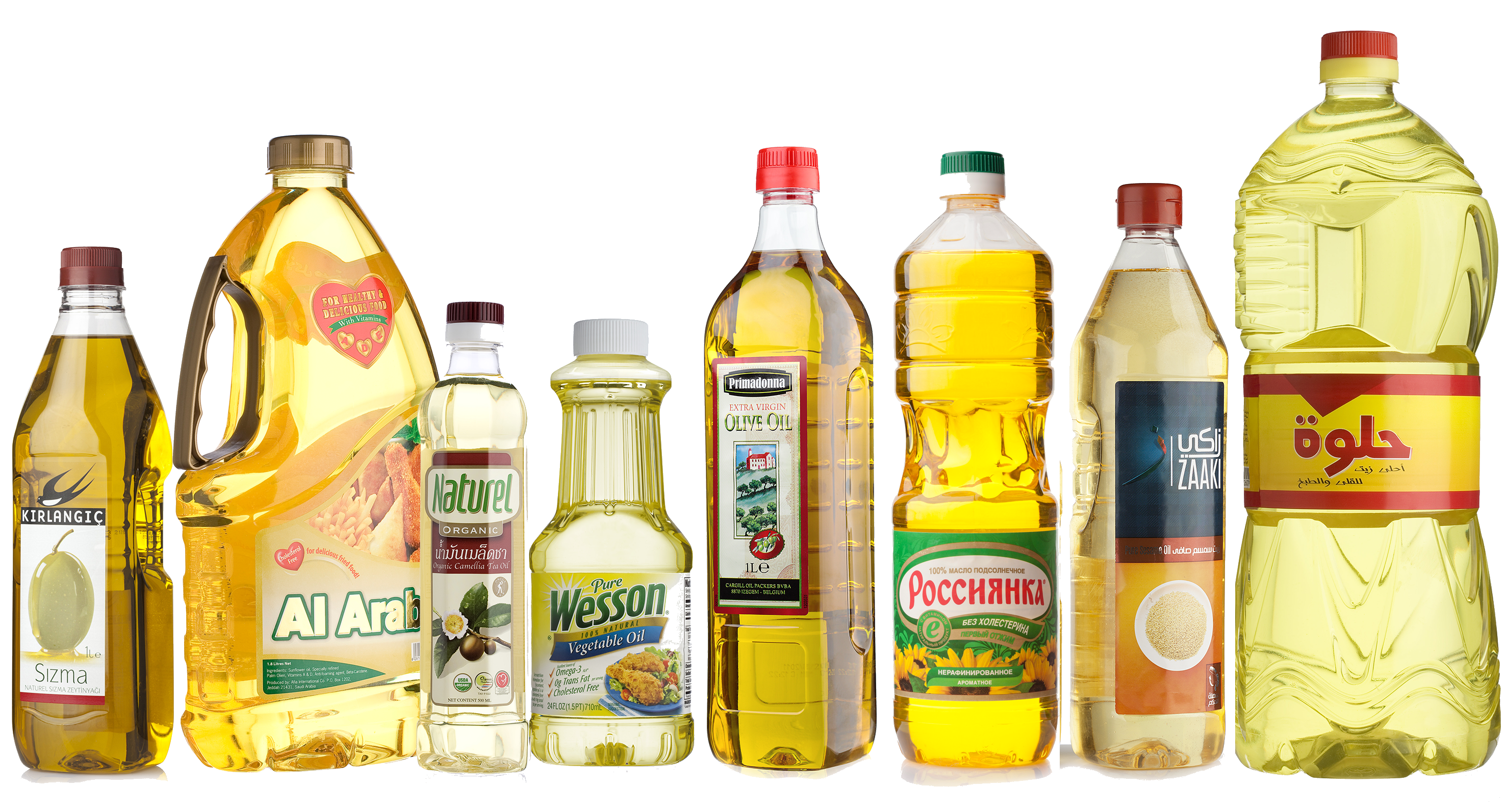
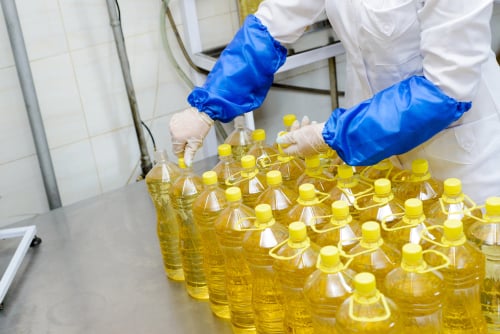
Cooking with high-quality edible oils is essential for modern consumers seeking health-conscious nutrition. However, delivering thousands of litres of edible oil safely to end-users presents significant technical and logistics challenges. Edible oil bottle packaging must be designed with user sensitivity and rigorous technical standards to ensure complete product integrity throughout the supply chain.
Factors Affecting the Quality of Bottled Oil
Edible oils are highly sensitive liquids whose stability and shelf life depend directly on container characteristics. Packaging design must counteract environmental conditions that trigger quality deterioration.
The primary packaging factors influencing oil quality include:
- Light exposure: Light passing through container walls acts as an energy source that triggers oxidation.
- Oxygen exposure: Oxygen trapped in the packaging headspace reacts directly with the product.
- Autocatalytic oxidation: Chemical reactions that accelerate product degradation over time.
- Storage conditions: Elevated temperature and humidity levels during storage.
- Substance migration: The transfer of chemical components from packaging materials into the oil.
- Permeability: External odours and fragrances penetrating through container walls.

Essential Criteria for Selecting Edible Oil Packaging

Edible oil companies must select packaging materials that protect product quality while supporting economic viability and brand appeal.
An optimal oil bottle packaging solution must prevent:
- Loss of product acidity and natural flavour
- Light penetration that causes the oil to turn rancid.
- Oxidation leading to flavor degradation
- Absorption of ambient odours
In addition to protection, commercial criteria include:
-
Leak-proof structural integrity.
-
Cost efficiency regarding raw materials and shipping.
-
Customisation options for effective branding.
Trend Analysis: "PET packaging material: market trends and lightweighting factor"
Material Categories in the Edible Oil Packaging Market
Packaging formats across the edible oil packaging market fall into three primary structural categories:
- Rigid packaging: High-Density Polyethylene (HDPE), Tinplate, Glass, and Polyethylene Terephthalate (PET).
- Flexible packaging: Plastic pouches and stand-up pouches.
- Semi-rigid packaging: Liquid cartons and Bag-in-Box systems
Each category offers distinct characteristics regarding barrier protection, weight, and durability.
READ ALSO: "PET BOTTLE FOR EDIBLE OIL"
Key Performance Requirements for Edible Oil Bottle Packaging
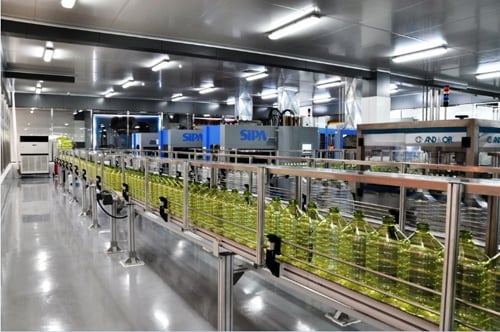
To satisfy production, commercial, and consumer demands, high-quality bottling packaging must fulfill four essential function groups:
Product Protection
The container must offer reliable guarantees regarding food safety, cleanliness, protection against environmental factors, and long-term freshness.
Distribution and Logistics
Efficient packaging reduces direct supply chain costs through lightweight design, durability, and optimized storage logistics.
Packing and Display Modularity
Packaging must feature high display attractiveness, straightforward branding capabilities, and modular sizing ranging from small bottles to large-format containers.
Marketing and Value Perception
From a marketing perspective, the bottle design should ensure maximum shelf visibility, proper value attribution, and consumer affordability.
Read Also: "PET bottle design for edible oil: creativity and benefits"
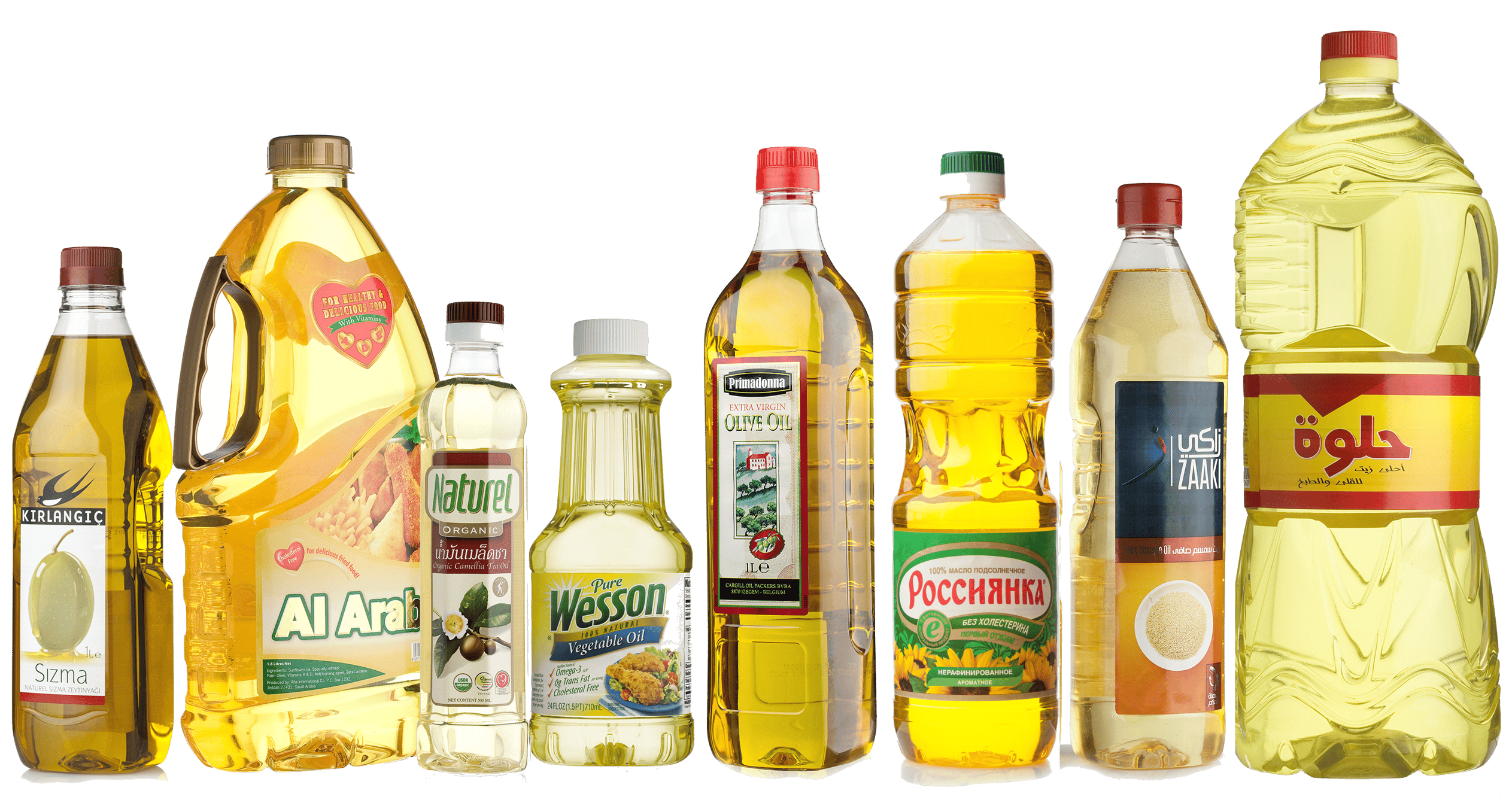
PET as the Superior Material for Bottling Packaging
While PET has traditionally dominated water and carbonated soft drink containers for over 40 years, its adoption is expanding rapidly across ketchup, beer, liquid dairy, and edible oils. The industry shift from glass and rigid alternatives to PET containers is driven by specific technical and economic advantages.
Core qualities of PET for oil packaging include:
- Shatterproof construction that guarantees product integrity during transport and handling;
- Excellent taste preservation without altering oil characteristics;
- Premium look and feel combined with consumer convenience;
- Cost savings and reduced environmental impact across production and logistics;
Food Safety and Technical Testing
Food safety is the paramount consideration when packaging comes into direct contact with edible oils. Packaging developers simulate real-world supply chain conditions in specialized laboratories to evaluate oil performance in PET containers.
Testing protocols evaluate:
-
Barrier resistance against light, oxygen, and temperature variations.
-
Liquid-package interactions based on oil viscosity, density, and surface tension.
-
Volume variations resulting from warm filling temperatures.
PET is a biologically inert plastic that requires no additive enhancements. It is globally certified for food contact by official safety authorities, including the US Food and Drug Administration (FDA) and the European Food Safety Authority (EFSA).
Sustainability and Economic Efficiency
PET offers substantial commercial and environmental benefits for edible oil manufacturers:
-
Mechanical strength: High impact resistance prevents breakage during shipment.
-
Reduced shipping costs: Lightweight material lowers overall freight expenses.
-
Circular economy: PET is 100% recyclable, and rPET (recycled PET) reduces reliance on virgin raw materials.
-
Design versatility: High flexibility allows for diverse container shapes, custom sizes, and distinct brand positioning.
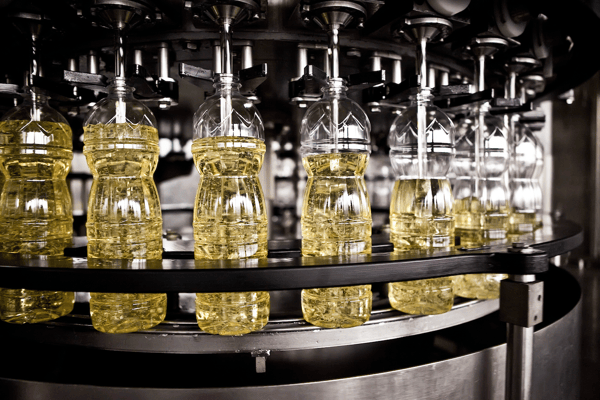
The packaging development process of PET includes the analysis of how the oils performed when packaged in PET, simulating the environmental conditions to which the product would be subjected throughout the supply chain in the company's dedicated laboratories.
Packaging manufacturers focused on the effects of light, oxygen, and temperature on the oils and considered factors such as viscosity, density, and surface tension. Moreover, in analysing the liquid-package interaction, they also evaluated the effect that the filling temperature has in terms of variation of the volume of the edible oils.
PET is a biologically inert plastic, with well-defined constituent materials and no additives required for enhanced performance: for this reason, it has been fully approved for food and drug use by all official food safety organisations, including the US Food and Drug Administration (FDA) and European Food Safety Authority (EFSA).
Summing up, PET has revolutionised the packaging market in recent years offering solutions that meet practically all the needs of producers, also in the edible oil segment.
It is approved as food contact grade all over the world. Safety also includes mechanical resistance, also during transportation.
Costing less than traditional materials, PET is convenient from a supply costs perspective and is also light, a factor that has a notable impact on transport costs.
In terms of sustainability, PET is 100% recyclable. rPET, made from recycled packaging, is also becoming increasingly popular and ensures savings in terms of virgin materials.
Finally, its versatility gives manufacturers maximum scope in terms of shapes, sizes and customisations when marketing their products.
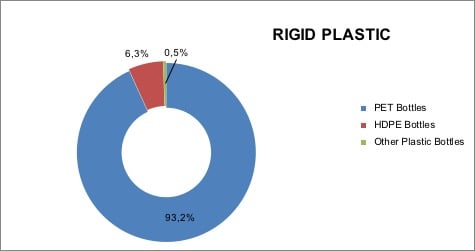
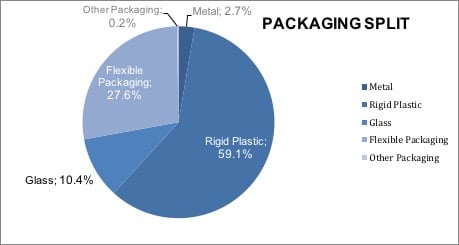
Popularity of different types of packaging
Frequently Asked Questions about Edible Oil Packaging
What packaging factors affect the quality of bottled oil?
The primary packaging factors that influence bottled oil quality are light penetration, oxygen in the headspace, autocatalytic oxidation, storage temperature and humidity, substance migration from the container, and external odour permeability.
What material categories exist in the edible oil packaging market?
The edible oil packaging market is divided into rigid packaging (HDPE, Tinplate, Glass, PET), flexible packaging (plastic pouches, stand-up pouches), and semi-rigid packaging (liquid cartons, Bag-in-Box).
Is PET approved for food safety in oil bottle packaging?
Yes, PET is a biologically inert plastic that requires no performance additives. It is approved for direct food contact by international regulatory bodies, including the US FDA and EFSA.
Why are manufacturers switching from glass and traditional materials to PET bottling packaging?
Manufacturers switch to PET because it is shatterproof, lightweight (reducing shipping costs by up to 30% compared to glass), 100% recyclable, protects oil flavour, and offers wide design and size flexibility.