

 Contact Us

Today, PET packaging technology enables the production of sustainable containers without slowing down manufacturing output. The preform weight, percentage of rPET used, and line energy consumption are the primary technical levers that determine the end result.
Here are SIPA’s solutions designed to address each of these areas, from preform production to inline filling.
In brief
- Packaging sustainability is built across the entire production line—from preform to filling—not just in the finished container.
- SIPA’s preform injection systems as well as blow molding technologies reduce energy consumption and machine downtime, delivering a direct positive impact on OEE.
- All SIPA blow molding machines and single-stage systems can process rPET, with XFORM and XFORM Renew serving as benchmark solutions for preform production with up to 100% recycled content.
- Lightweighting, digitalization, and compliance with the PPWR are practical tools to lower operational costs and mitigate regulatory risks.
Why packaging sustainability starts with production technology
A container’s sustainability is determined by how it is designed and produced, even before considering the material used to make it.
A piece of packaging may claim to be recyclable or lightweighted on its technical datasheet; however, if the manufacturing process uses excessive energy, generates scrap, or fails to properly handle recycled materials, the environmental benefit remains purely theoretical.
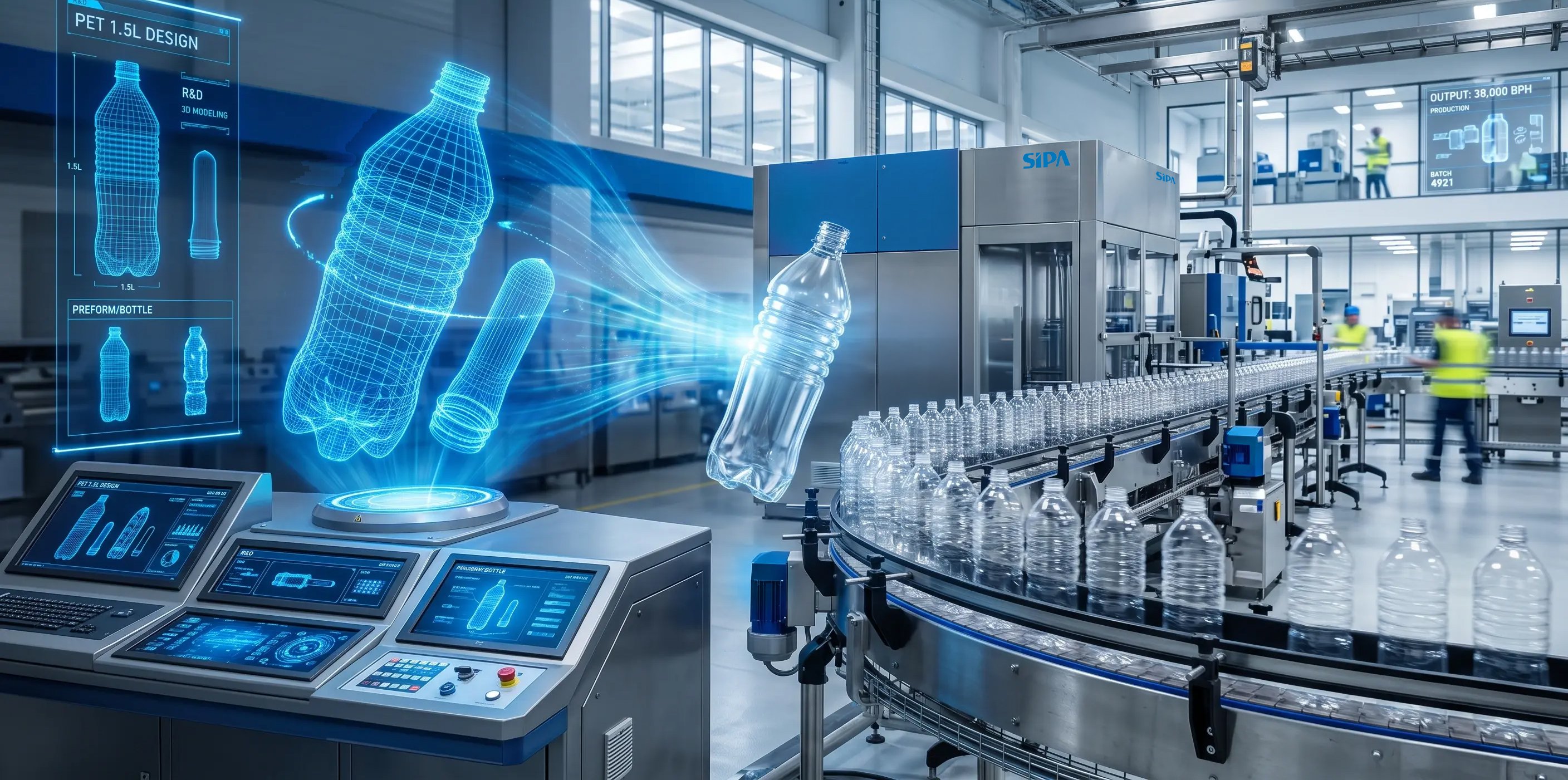
SIPA addresses sustainability as the outcome of a complete engineering cycle—from preform/container design and production technology selection to inline filling. This 360-degree approach allows every technical choice, material, weight, and geometry to be validated before it becomes a hidden cost in production.
For leaders driving an enterprise-level green transition, technical feasibility is no longer an unknown to be verified, but a solid starting point. Comprehensive PET packaging solutions cover the entire manufacturing process, allowing interventions at every phase driven by the same logic of overall efficiency.
Energy efficiency and resource savings in blow molding systems
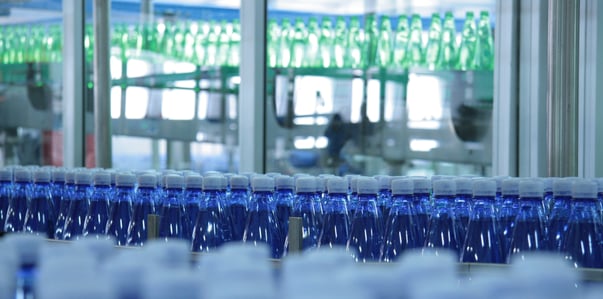
Plant energy consumption is primarily reduced during the blow molding phase, where most of the line's electrical and thermal demand is concentrated.
- Rotary platforms like XTRA offer significant energy efficiency and resource optimization thanks to some key feature enhancements, including double oven ventilation, green oven with narrow preform pitch, reduced blowing pressure to 16 bar, and an automated air recovery system.
- Linear solutions like SFL eliminate oil usage in the stretch-blow molding system, directly improving production environment cleanliness while reducing maintenance costs.
Energy efficiency remains the core pillar for reducing an industrial plant's carbon footprint. Every kilowatt-hour saved is a kilowatt-hour that does not need to be generated elsewhere.
The financial and operational advantages are directly reflected in Overall Equipment Effectiveness (OEE):
- Fewer machine stoppages mean fewer wasted heating cycles.
- Proper sizing of accumulation buffers between machines (overspeed management) prevents downstream slowdowns from locking up the entire line.
- Integrated systems like Sincro Bloc streamline the steps between blowing, filling, and capping by eliminating air conveyors and rinsers, leading to a direct drop in electricity and water consumption.
The role of rPET in preform manufacturing with XFORM and XFORM Renew technology in the circular economy
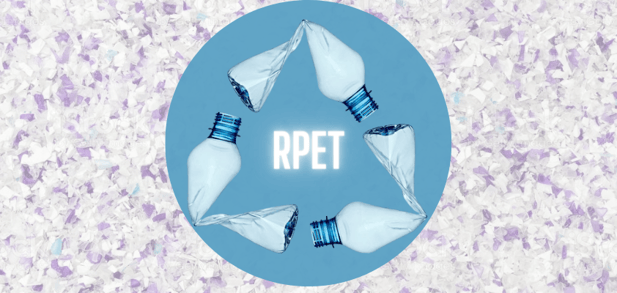
Today, rPET handling is not an isolated feature reserved for a single machine, but a capabilities standard built into SIPA's entire container production portfolio. Linear and rotary blow molding machines transform preforms made with rPET into bottles, while single-stage machines start directly from recycled resin, combining injection, conditioning, and blow molding into a single process cycle.
Ultimately, recycled material adoption depends on how the entire line is engineered to handle it—not on a single isolated technology.
Nevertheless, the process begins with the preform:
- XFORM manages rPET preform production starting from recycled granules, maintaining the same energy efficiency as traditional virgin resin processing.
- XFORM Renew processes 100% recycled PET flakes directly inline. This eliminates intermediate process steps and cuts costs while preserving optical clarity and food-contact safety compliance.
The competitive advantage for the customer lies in processing recycled materials without compromising container transparency or mechanical strength—requirements that FMCG buyers are unwilling to sacrifice.
Packaging engineering and lightweighting: reducing weight while maintaining performance
Lightweighting reduces container weight without compromising required performance on the line or throughout distribution. Fewer grams of PET per bottle translate to less raw material purchased, lower shipping weight, and reduced plastic waste at end-of-life.
The SIPA Design Center achieves this balance using advanced technical tools:
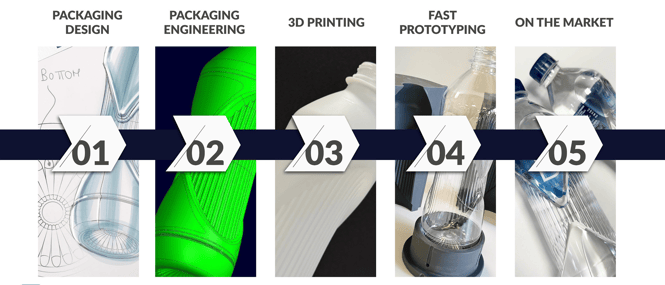
- Rapid Prototyping with Sipa Additive uses MSLA technology to produce transparent visual models for evaluating container ergonomics, grip, and aesthetic appeal. It also employs FDM technology to print technical parts and blow mold components for mechanical testing. Resin molds for these tests can be produced in just 3 to 4 days.
- Virtual Prototyping simulates container performance prior to physical production by replicating top load, side load, internal pressure, and drop tests.
- Physical PET prototypes, produced via preform injection, single-stage, and blow molding systems, allow for the validation of real, colored, filled, capped, and labeled bottles through inline testing—often conducted in close collaboration with the customer's R&D teams.
A recent practical application highlights these results: a 5-liter container developed on an XTRA Big rotary blow molding machine weighs just 50 grams and is made from recycled PET, all while retaining the structural rigidity necessary for transport and inline handling.
This proves that customization and sustainability can coexist—provided weight is strategically removed from the right structural areas identified through rigorous technical testing, rather than generic material cuts.
Digitalization and OEE: optimizing production with IoT
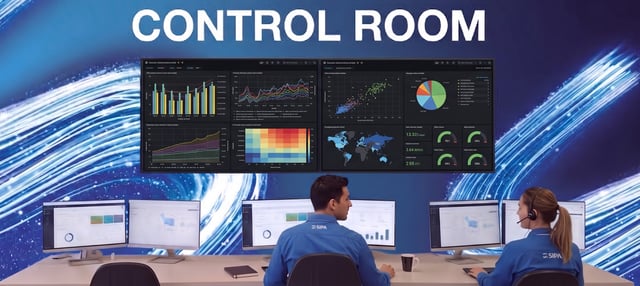
The SIPA Digital Hub collects IoT data across the entire line and converts it into real-time operational metrics.
Predictive maintenance analyzes this operational data to detect anomalies before a failure occurs, cutting down scrap and unmetered energy consumption. The result is a more predictable production environment where machine downtime becomes the exception rather than an everyday operational risk.
Integrated systems like Sincro Bloc advance this same objective. By minimizing the number of interconnected machines, they reduce points of energy loss as well as the plant's total physical footprint. The core benefit is not merely higher nominal line speed, but a lower total cost of ownership (TCO) at maximum operational efficiency.
European regulations and PPWR: preparing for the future of packaging
The PPWR (Packaging and Packaging Waste Regulation - 2025/40) redefines recyclability and recycled content requirements for PET packaging. Crucially, compliance will be calculated on a per-production-plant basis rather than against a broader market average.
For plant operators, this requires proving compliance over time through traceable data rather than generic declarations.
Investing today in technologies that handle up to 100% rPET (such as XFORM Renew) and digital systems that log energy consumption and performance prevents emergency retrofits under future regulatory pressure.
SIPA serves as a strategic partner in this transition. Beyond supplying machinery, SIPA works with enterprise decision-makers to plan future plant scalability, mitigate technology obsolescence risks, and deliver a reliable, compliant roadmap.
Frequently Asked Questions on Packaging Technology and Sustainability
What is the actual ROI of transitioning to rPET packaging technologies?
The return on investment spans several areas: lower future regulatory compliance costs, the ability to offer verifiably sustainable packaging to the market, and—in the case of XFORM Renew—a lower preform production cost achieved by eliminating intermediate processing steps compared to multi-stage systems.
How does industrial automation reduce raw material waste?
Proper sizing of accumulation buffers and overspeed prevents machine stoppages from generating out-of-spec bottles or wasted startup cycles. Predictive maintenance adds an extra layer of control, catching process drifts before they generate scrap.
Are sustainable packaging technologies compatible with high-speed manufacturing?
Yes. XTRA rotary blow molding machines process up to 100% rPET while maintaining high-volume production speeds. For more complex container formats where speed is not the primary requirement, SFL linear solutions provide the optimal balance.
How can I ensure product safety while reducing packaging weight?
Through pre-scale validation testing. Load and drop simulations in Virtual Prototyping, followed by physical prototypes produced with Sipa Additive or validation molds, verify that the lightweighted container maintains all required mechanical performance on the line and during distribution.
What is the impact of digitalization on maintenance?
Predictive maintenance shifts operations from reactive repairs after a breakdown to planned interventions scheduled before failure occurs—directly improving production continuity and extending machinery service life.