

 Contact Us


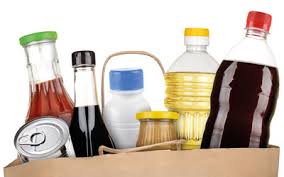
Choosing the right container material is a critical decision for food and beverage manufacturers. Polyethylene Terephthalate (PET) has seen continuous design refinement, allowing producers to significantly lightweight containers, reduce raw material consumption, and lower operational costs. Understanding how a PET bottle compares to traditional glass, rigid HDPE, tinplate, and aluminum cans helps businesses optimize logistics, sustainability, and shelf performance.
What Is a PET Bottle, Jar, and Container?
A PET bottle, jar, or container is a rigid packaging format manufactured from Polyethylene Terephthalate—a strong, lightweight, and fully recyclable thermoplastic resin.
Key attributes of PET containers include:
-
Glass-like clarity: Offers a transparent, shining appearance that displays product quality directly to consumers.
-
Structural strength: Highly shatterproof, ensuring product integrity during transport and handling.
-
Protective barrier: Low permeability to water vapour, carbon dioxide, and oxygen maintains product freshness and shelf life.
-
Format flexibility: Supports a broad size range from 100 ml to 20 litres and beyond (including stackable designs), as well as custom shapes for specialized bottling.
-
Full recyclability: 100% recyclable material compatible with rPET production processes.

Lightweight Advantages of PET Containers
Extreme lightweighting makes PET significantly more competitive than alternative materials used across beverage and edible oil bottling lines. Lower container weight translates directly into reduced material costs and up to 30% savings on shipping logistics compared to glass.
Average weight comparison by PET container volume:
Size, ml Weight, g
200 10-12
500 15-18
1000 22-28
2000 42-60
5000 85-115
READ ALSO: "KEY CHARACTERISTICS OF EDIBLE OIL BOTTLE PACKAGING"
Material Comparison: PET Plastic vs Other Packaging Options
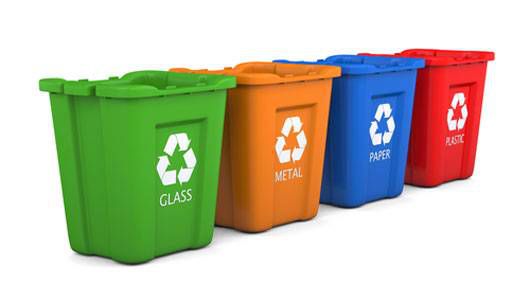
Selecting between plastic resins, glass, and metals depends on chemical compatibility, barrier requirements, weight, and total cost of ownership.
READ ALSO: "EDIBLE OIL BOTTLE PACKAGING: FROM TIN TO PET PRODUCTS"
PET vs Polylaminate Cardboard
Polylaminate cardboard (composed of 75% paper, 5% aluminium, and 20% polyethylene) weighs approximately 9 g for a 200 ml package and 30 g for a 1000 ml size.
Drawbacks of cardboard compared to PET bottles include:
- Lack of transparency and product visibility
- Lower mechanical strength and rigid durability
- Higher raw material costs and no shape flexibility
- Complex multi-layer recycling processes
PET vs HDPE Packaging
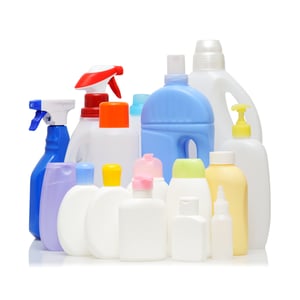
Both PET and High-Density Polyethylene (HDPE) are widely used across food, beverage, personal care, and chemical sectors, but they differ in key areas:
-
Opacity: PET is crystal clear, whereas HDPE is naturally translucent or opaque with a milky finish.
-
Structural weight and cost: A 5-litre HDPE container weighs 200 g compared to 85–115 g for PET. HDPE raw material costs are 15% to 20% higher than PET.
-
Recyclability: Both materials feature high collection rates (around 92% across local councils). PET is recycled into new food packaging and textiles, while HDPE is recycled into industrial products like pipes and bins.
PET vs Glass, Tinplate, and Aluminum Cans
Evaluating whether cans, glass, or plastic bottles offer superior performance requires analyzing raw material costs, carbon footprint, transport logistics, and consumer convenience.
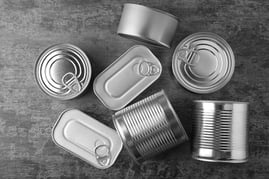
The following is an symbolic weight comparison for 15 litres oil containers:
Tin: 930g,
HDPE: 630g,
PET : 300 g
Carbon Footprint Analysis
An aluminum can generates up to 1,300 grams of CO2 emissions during production due to energy-intensive extraction. A 330 ml PET bottle produces up to 330 grams of CO2, giving plastic bottles a smaller carbon footprint than aluminum cans and glass.
Cost and Functional Comparison (Are Cans Better Than Plastic Bottles?):
-
Material cost: Raw aluminum material costs are 25% to 30% higher than PET resin of equal volume.
-
Production infrastructure: Transitioning entirely to cans requires expensive manufacturing line modifications.
-
Consumer convenience: Unlike cans that remain open once unsealed, PET bottles feature resealable caps and broader size versatility.
-
Circular sustainability: Global beverage brands (such as Danone and PepsiCo) are adopting 50% to 100% recycled PET (rPET) to close the circular packaging loop without incurring the higher carbon intensity of glass and metal production.
Frequently Asked Questions about PET Bottles and Containers
What is a PET bottle, jar, or container?
A PET bottle, jar, or container is a strong, lightweight, and crystal-clear packaging format made from Polyethylene Terephthalate plastic. It provides glass-like clarity, high barrier properties against moisture and gas, and is 100% recyclable.
Are aluminum cans better than plastic bottles for carbon emissions?
No. Producing a 330 ml aluminum can generates approximately 1,300 grams of CO2 emissions, compared to up to 330 grams for a PET plastic bottle of the same volume. Raw aluminum is also 25% to 30% more expensive than PET plastic resin.
How does a PET bottle compare to glass and HDPE in weight and cost?
PET is significantly lighter and more cost-effective. For a 5-litre format, HDPE weighs 200 g compared to 85–115 g for PET, and HDPE resin costs 15% to 20% more. Compared to glass, PET bottles can save up to 30% on shipping expenses due to reduced weight.
What is the weight difference between tinplate, HDPE, and PET for large containers?
For a 15-litre oil container, tinplate weighs approximately 930 g, HDPE weighs 630 g, and PET weighs only 300 g.